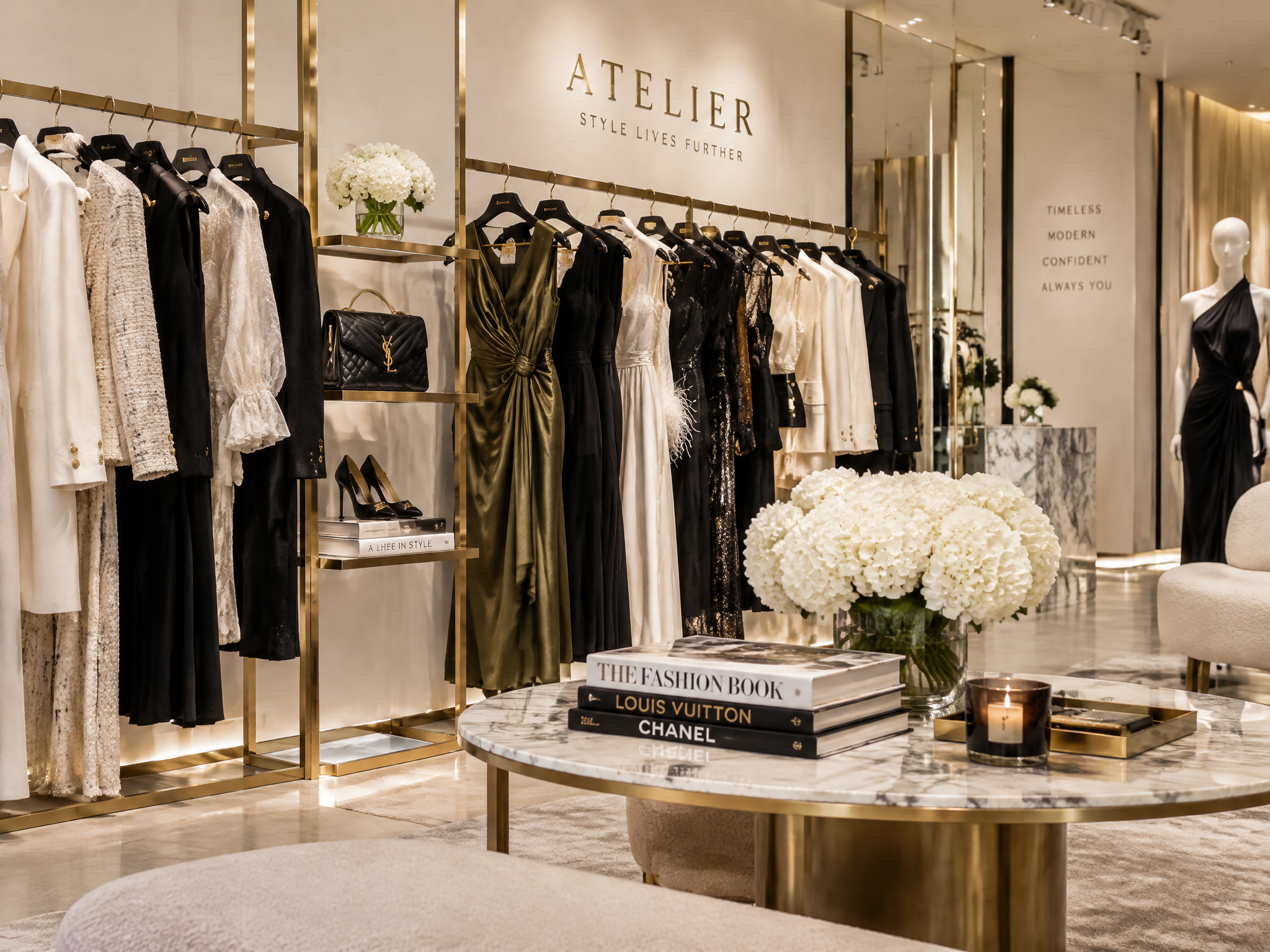
Shoes Cost in Osaka (2026)
Quick Answer
Partially verifiedIn Osaka, the cost of shoes varies widely by type and brand, but a practical retail expectation is about ¥3,000–¥8,000 for budget casual shoes, roughly ¥8,000–¥18,000 for mainstream branded trainers, and ¥15,000+ for premium sports or fashion models. Exact Osaka-specific prices differ by retailer, so where official Japan pricing is not confirmed here, the figures below are clearly labelled estimates based on typical Japanese retail market ranges.
Overview
Shoe prices in Osaka generally follow national Japanese retail pricing rather than having a special city surcharge, although prices in central shopping districts such as Umeda, Shinsaibashi and Namba can skew higher for premium brands and department-store stock. Budget options are commonly found in chain shoe shops, fast-fashion retailers and outlet-style stores, while branded trainers and running shoes are usually sold through official brand stores, sporting goods chains and major e-commerce platforms operating in Japan. For everyday shoppers, the biggest price split is between non-branded or private-label shoes and internationally branded athletic footwear. Casual canvas or synthetic shoes can often be found in the low-thousands of yen, while mainstream trainers from major brands typically sit in the mid-thousands to mid-teens. Leather business shoes and fashion boots usually cost more, especially if made in Japan or sold through department stores. Japan’s listed retail prices normally include consumption tax, which makes sticker prices easier to compare in-store. Seasonal sales can reduce prices significantly, especially after new collections launch, but newly released or limited-edition models may sell at or above standard retail if demand is high. If you are buying in Osaka as a visitor, department stores and large tax-free shops may offer tax-free purchasing on eligible transactions for qualifying tourists.
What It Costs
| Item | Cost | Evidence |
|---|---|---|
| Budget casual shoes(per pair) Estimated range based on typical Japanese retail pricing for entry-level casual shoes sold through chain footwear and fast-fashion retailers in major cities such as Osaka. Estimated range | ~¥3,000 – ¥8,000 | Estimated range |
| Mainstream branded trainers(per pair) Estimated range based on typical market rates in Japan for adult trainers from major sportswear brands sold through official stores and sporting goods retailers. Estimated range | ~¥8,000 – ¥18,000 | Estimated range |
| Leather business shoes(per pair) Estimated range based on common Japanese retail pricing for men’s leather office and formal shoes, including domestic and imported mid-market brands. Estimated range | ~¥10,000 – ¥25,000 | Estimated range |
| Premium running or basketball shoes(per pair) Estimated range based on current Japanese market pricing for higher-spec performance footwear and premium signature models. Estimated range | ~¥15,000 – ¥30,000 | Estimated range |
| Workman in-house shoes and boots(per pair) Workman’s official Japanese online store documents many low-cost shoes and work/casual models in this broad price band; prices vary by product and season. Partially verified | ¥1,500 – ¥5,800 | Partially verified |
| ABC-MART retail shoe range(per pair) ABC-MART’s official Japan store shows a wide spread across casual and branded footwear; this summarises a typical visible retail range rather than one fixed Osaka price. Estimated range | ~¥4,000 – ¥20,000 | Estimated range |
Variants & Configurations
How Fees Work
Usually priced per pair, with consumption tax generally included in displayed retail prices in Japan.
Factors Affecting Price
- Brand and whether the shoe is private-label, mainstream athletic, or premium/designer
- Shoe type, such as casual canvas, running, business leather, boots, or limited-edition sports models
- Retail channel, with outlet stores and discount chains often cheaper than department stores or flagship shops
- Materials and construction, especially genuine leather, waterproofing, cushioning technology, and made-in-Japan production
- Seasonality and release timing, as end-of-season sales can cut prices while new launches stay near full retail
Local Context
In Osaka, shoe shopping is concentrated in large commercial districts such as Umeda, Namba and Shinsaibashi, where you will find everything from discount chains to premium brand stores. Prices shown in Japan are typically tax-inclusive for ordinary retail display, and tipping is not part of the shopping culture. Visitors may find lower effective costs through tax-free purchasing at participating shops, while outlet centres outside the city core can offer stronger discounts than central department stores.
Some figures here are still being verified.
Where a verified figure isn’t available yet, we say so rather than guess. For the most current pricing, check the official source below.
All prices are in Japanese yen (JPY). In Japan, retail shelf prices are commonly displayed in yen and often include consumption tax.
Sources & References
Every price on this page is traced to a documented source. Last checked 25 September 2026.
- Workman Online Store · official
Official Japan retailer source showing low-cost footwear and work/casual shoe pricing in the lower-thousands of yen.
- Japan National Tourism Organization · official
General visitor shopping context for Japan, including practical relevance of shopping and tourist retail expectations.
- National Tax Agency Japan · government
General tax context for consumption tax and tax-free shopping in Japan.
Frequently Asked Questions
Are shoes in Osaka more expensive than elsewhere in Japan?+
Usually not by a large amount. Most shoe pricing follows national retail pricing, although premium districts and department stores in Osaka can be dearer than discount outlets or suburban chains.
What is a normal price for trainers in Osaka?+
For mainstream branded trainers, a reasonable expectation is about ¥8,000 to ¥18,000 per pair, with premium performance models often going higher.
Can tourists buy shoes tax-free in Osaka?+
Often yes, if the shop participates in Japan’s tax-free programme and you meet the visitor and spending requirements. The exact rules depend on current tax-free shopping regulations and the retailer.
When are the best times to find shoe discounts in Osaka?+
Sales are commonly strongest at end-of-season clearances, New Year promotions, and after new collections arrive. Limited-edition releases are less likely to be discounted.
Are official retail prices the same as street prices?+
Not always. Official list prices may be the starting point, but chain retailers, online stores and outlet branches can be lower, while scarce or fashionable models can sell for more in resale channels.
Related Cost Guides
Designer Fashion Cost in Los Angeles (2026)
Los Angeles, United States
Watches Cost in Glasgow (2026)
Glasgow, United Kingdom
Bags & Accessories Cost in Phoenix (2026)
Phoenix, United States
Tailoring Cost in Edinburgh (2026)
Edinburgh, United Kingdom
Watches Cost in Philadelphia (2026)
Philadelphia, United States
Jewellery Cost in Los Angeles (2026)
Los Angeles, United States
Are you a business?
Get your business listed on this page and reach customers actively searching for your services.
List Your BusinessFind Fashion & Apparel in Osaka
Browse more cost guides for Osaka